
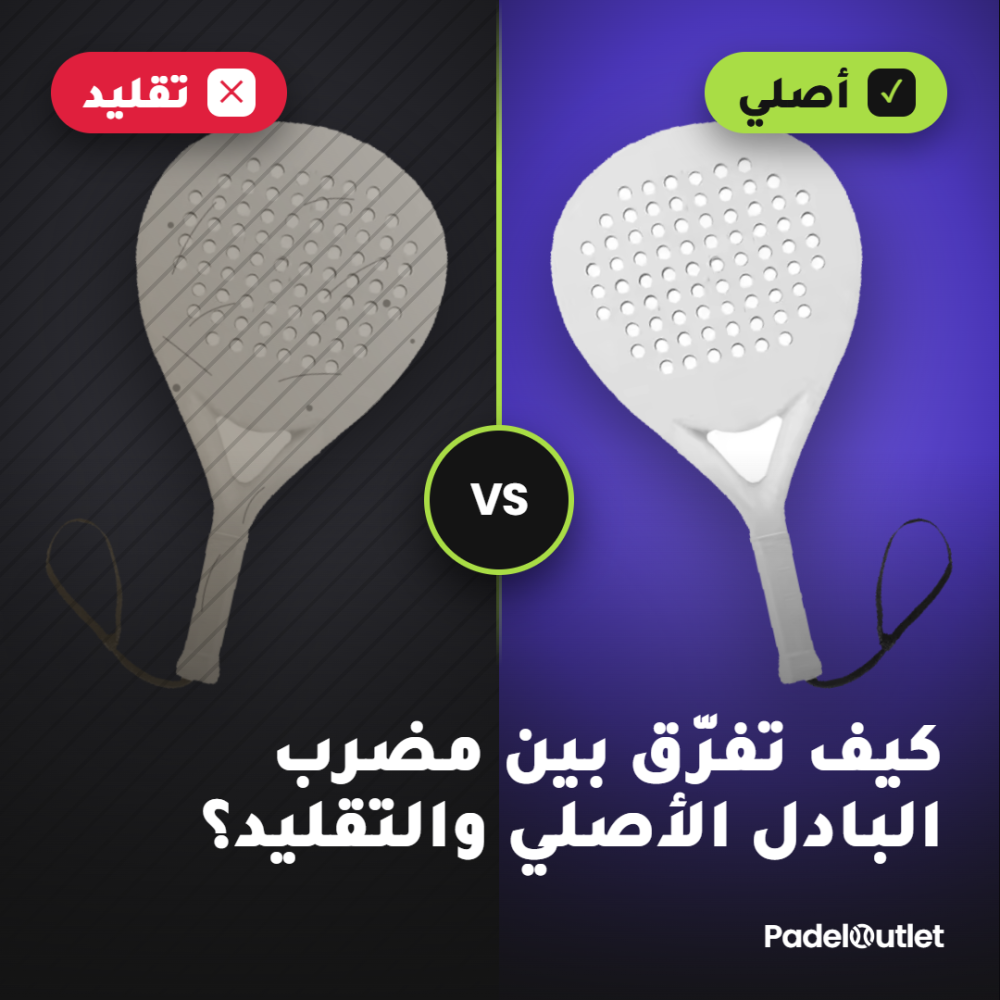

In two lines: Counterfeit padel rackets are now as common as counterfeit luxury watches, and the only reliable protection is buying from a trusted store that deals directly with the brands. At Padel Outlet, we import only from the brands and their official distributors, never from any other source.
Why are fake padel rackets so common?
The rule is simple: anything expensive and in demand gets copied. Watches, bags, and now padel rackets. A professional racket costs over 1,500 SAR, which makes counterfeiting very profitable. The problem is that fakes have become convincing on the outside, and most buyers cannot tell the difference by eye.
The test we ran at Padel Outlet
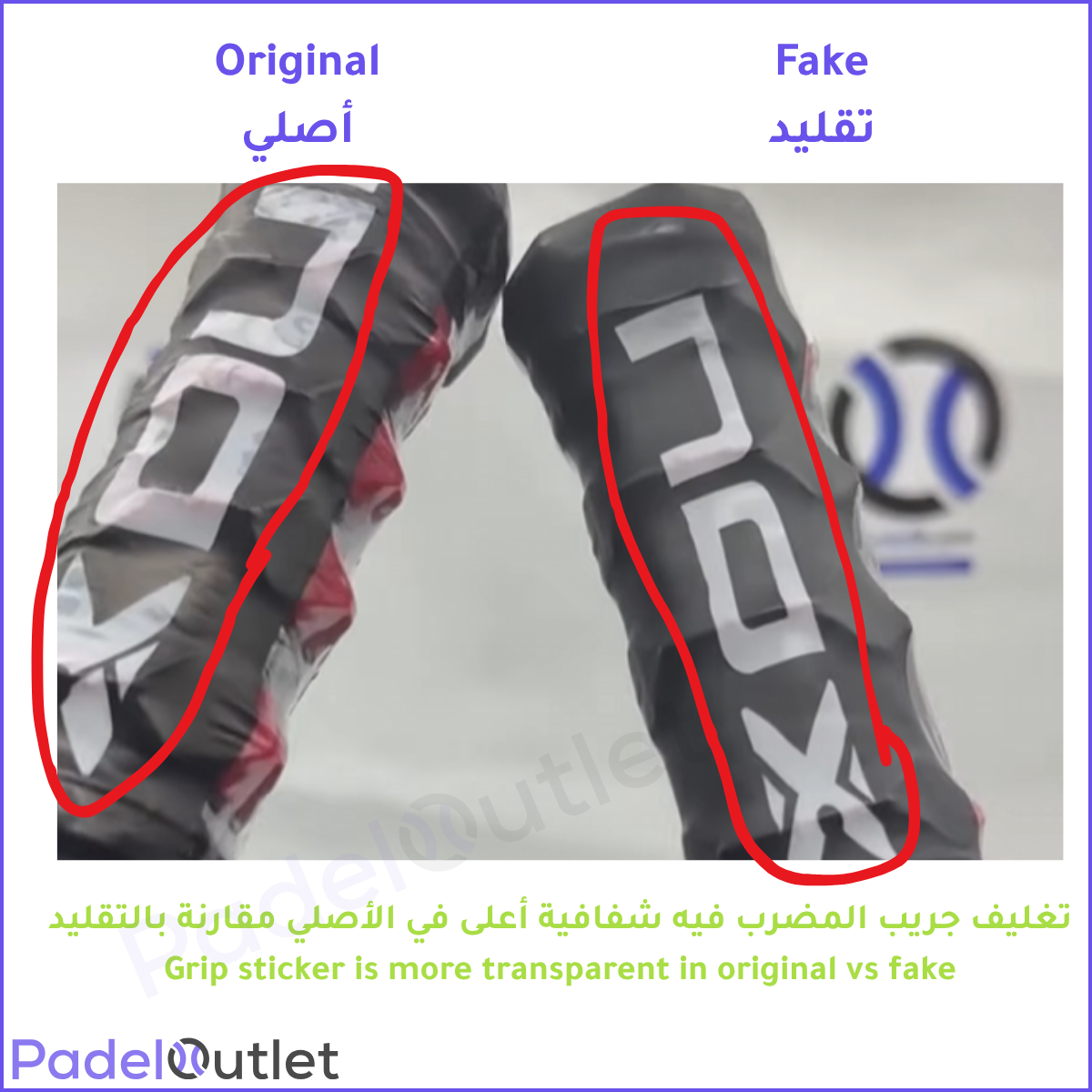
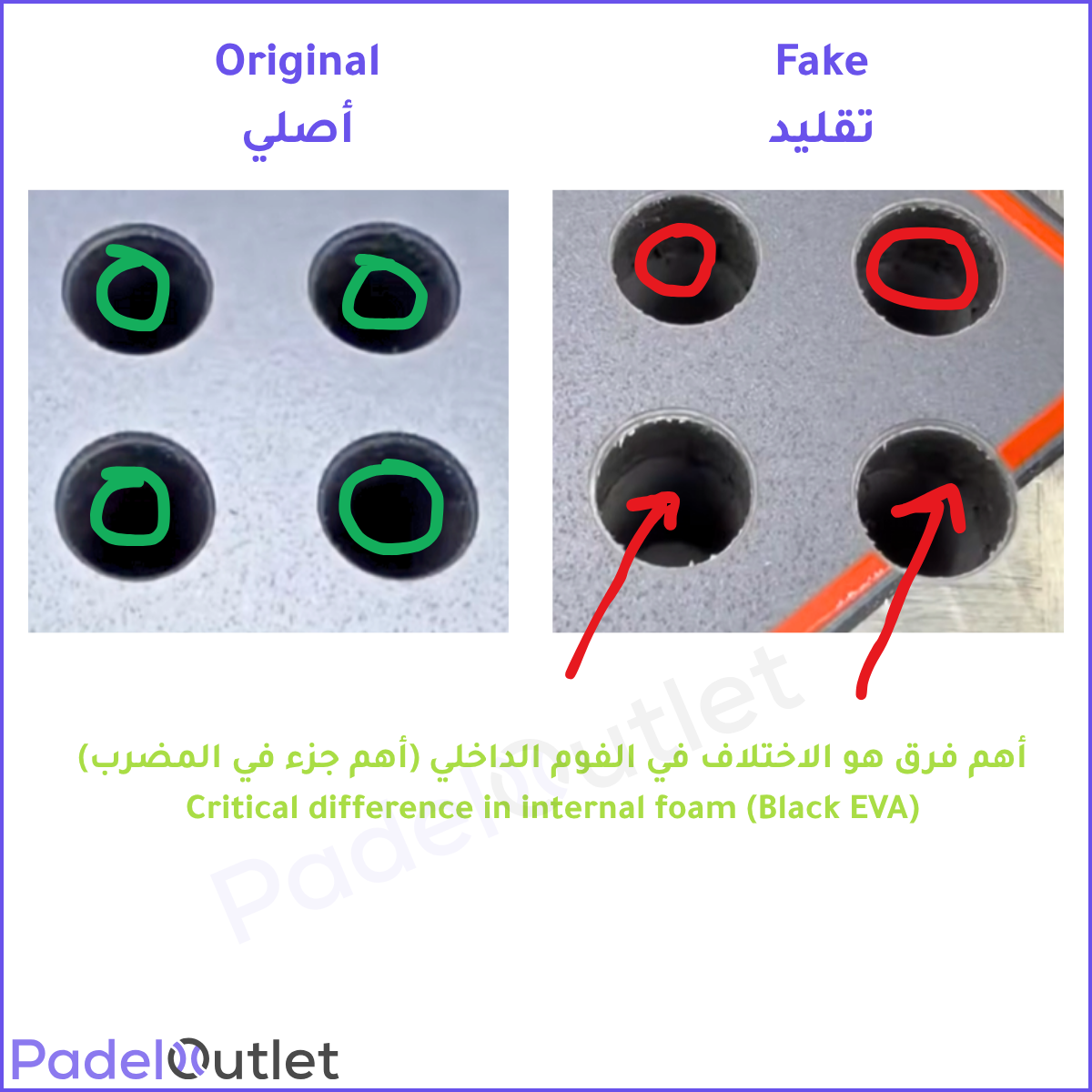
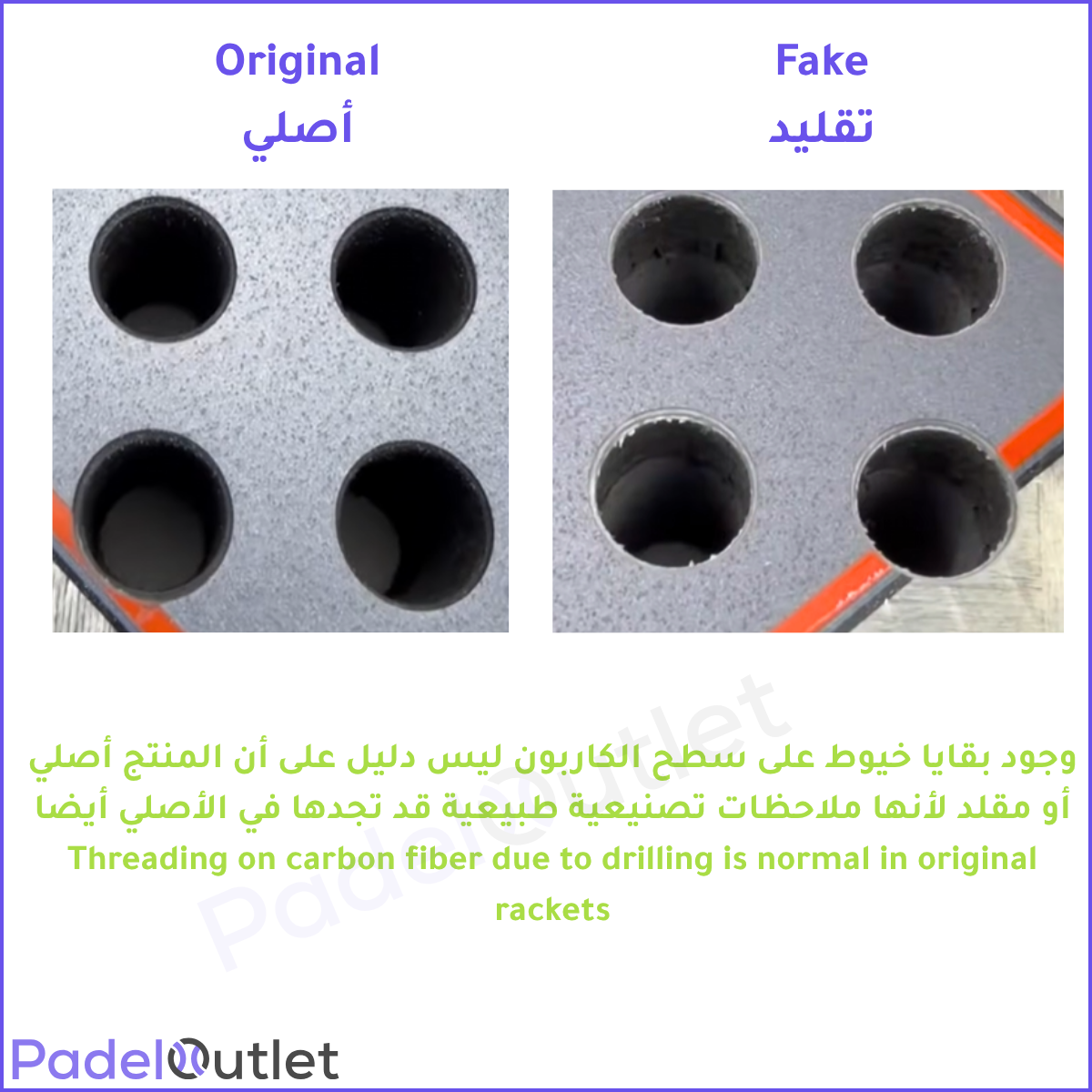
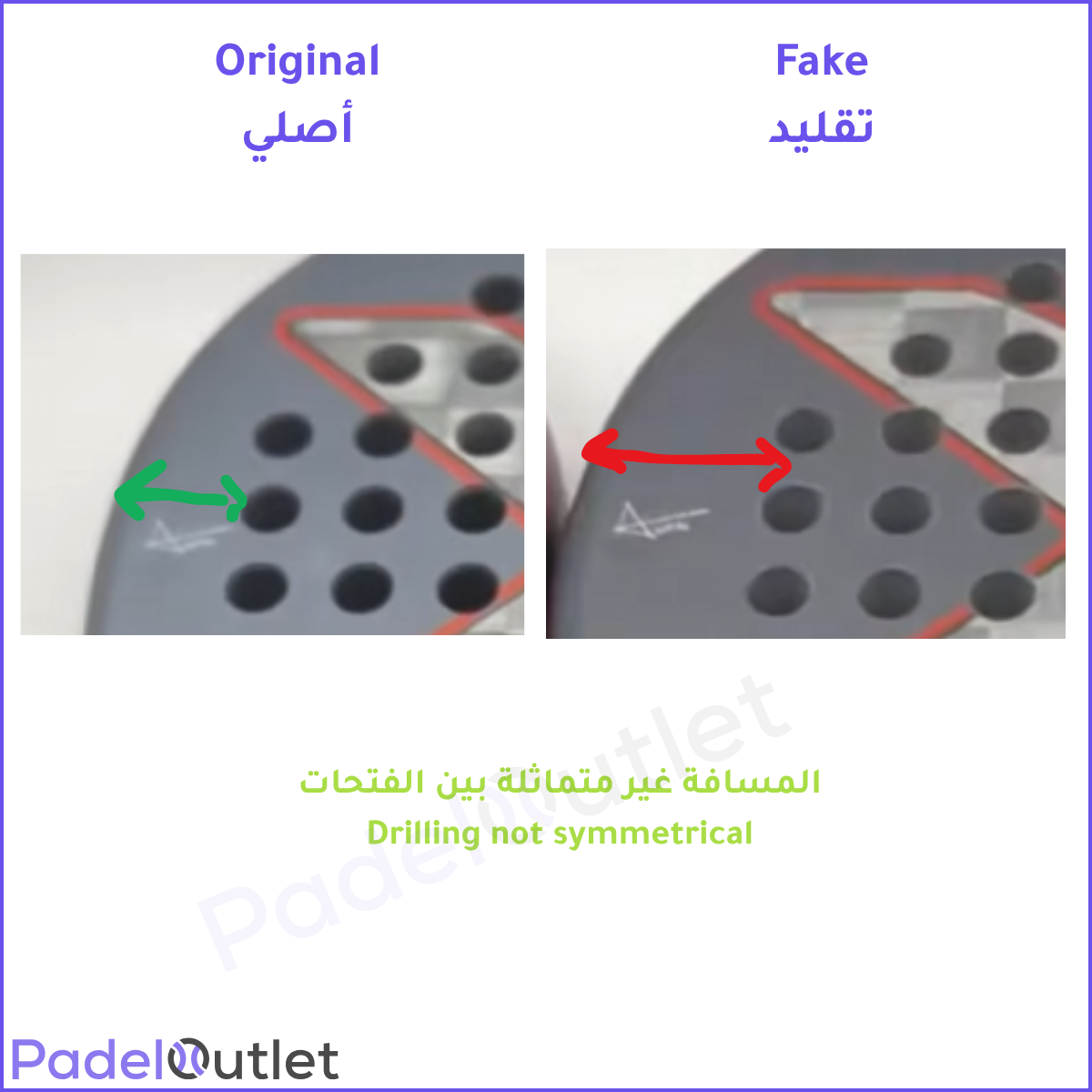
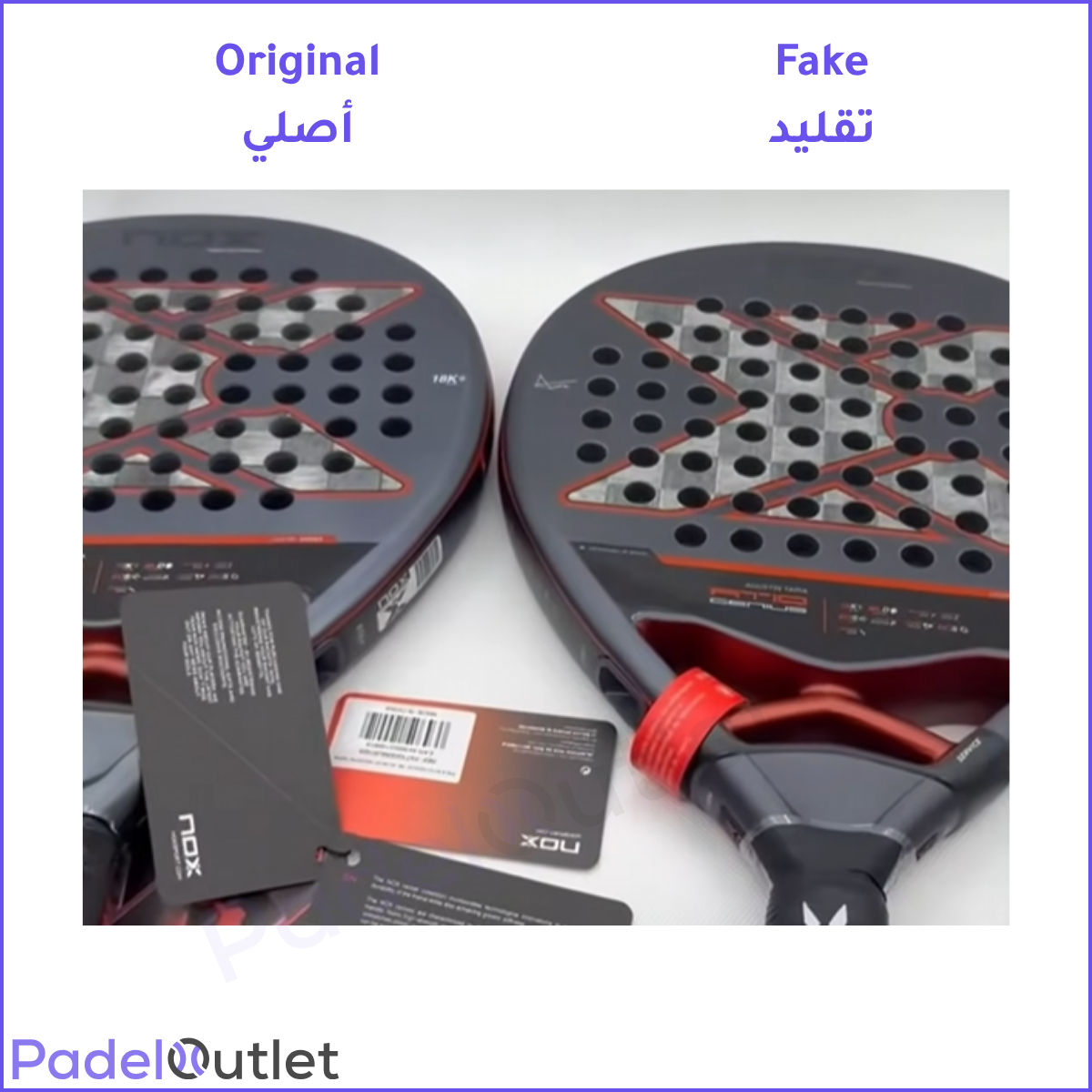
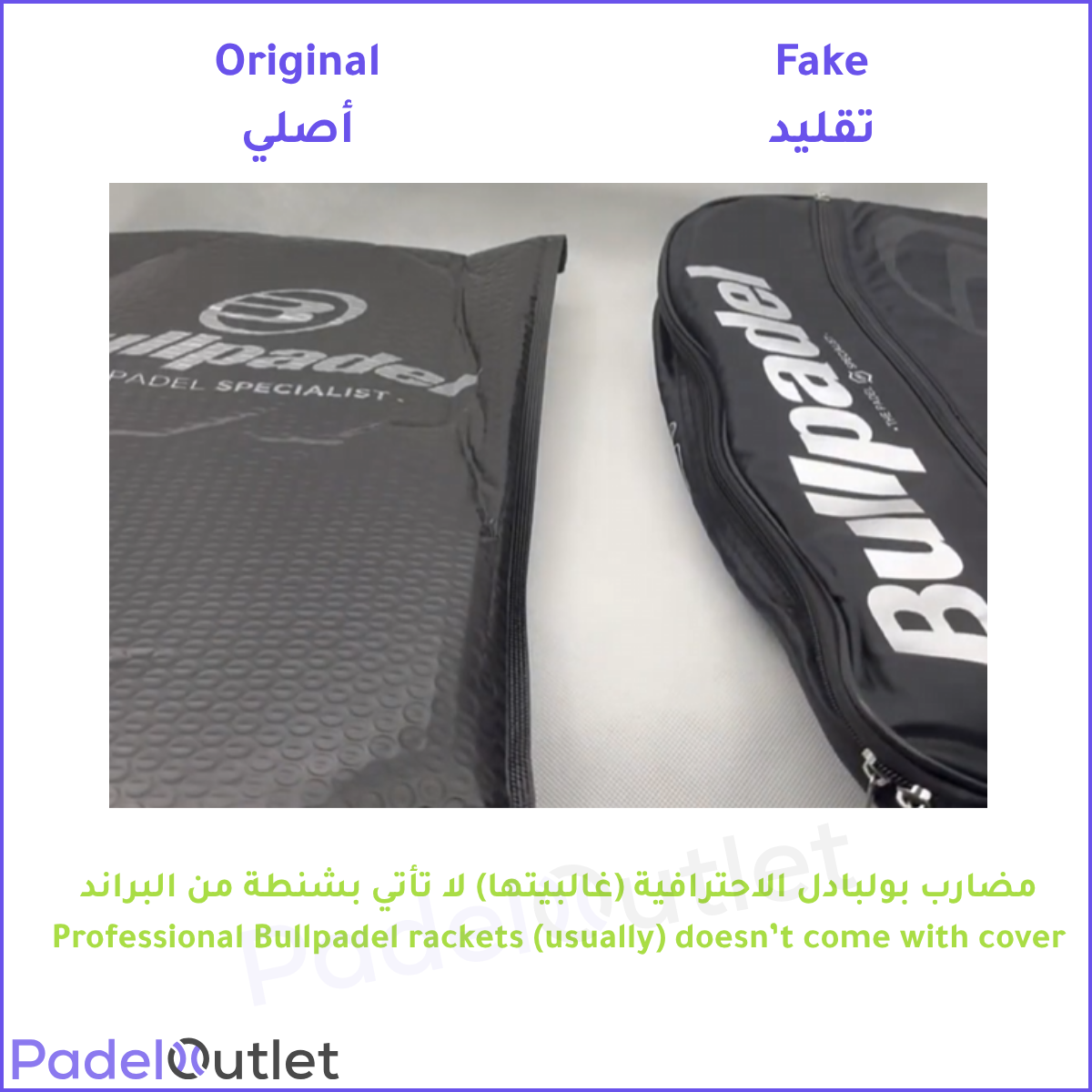
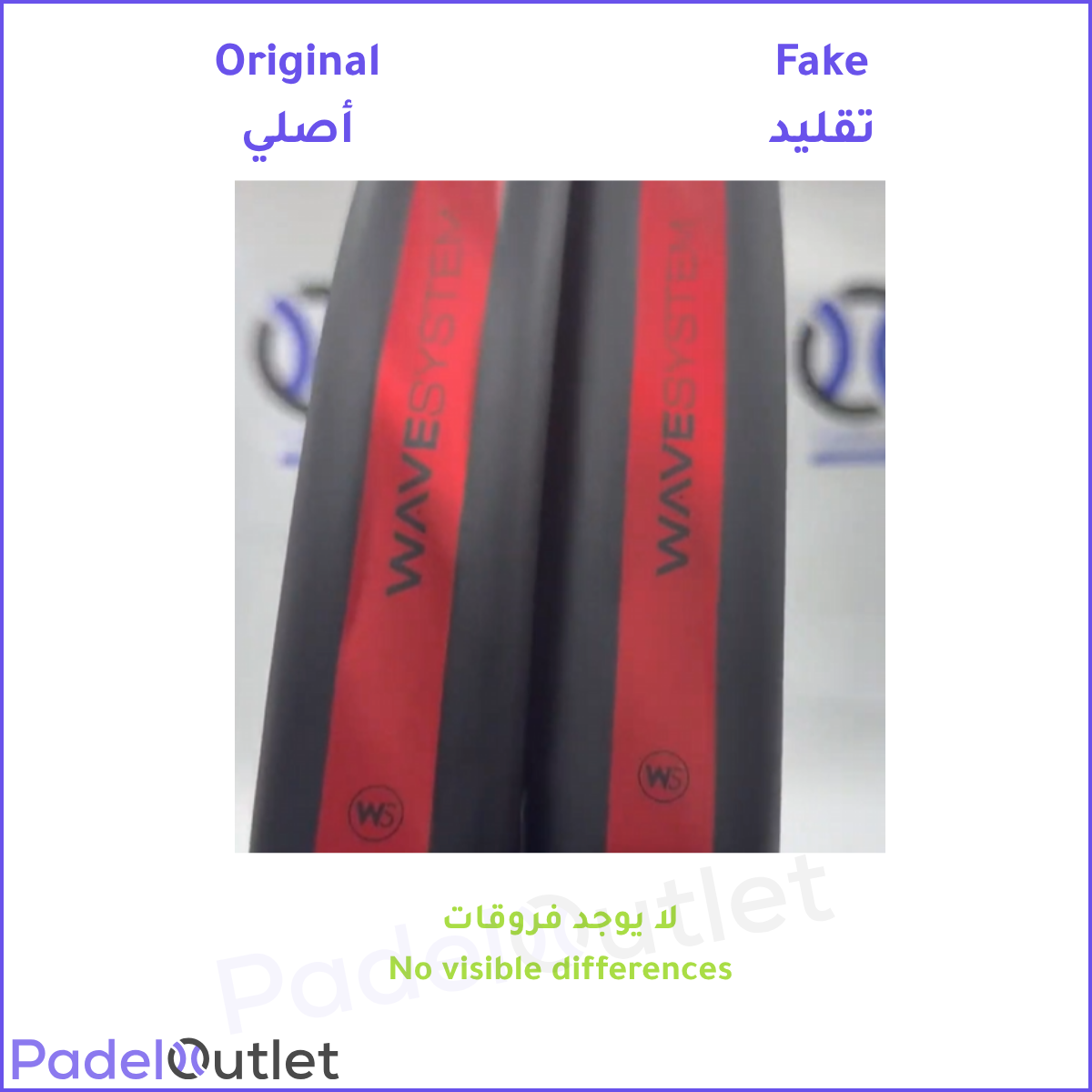
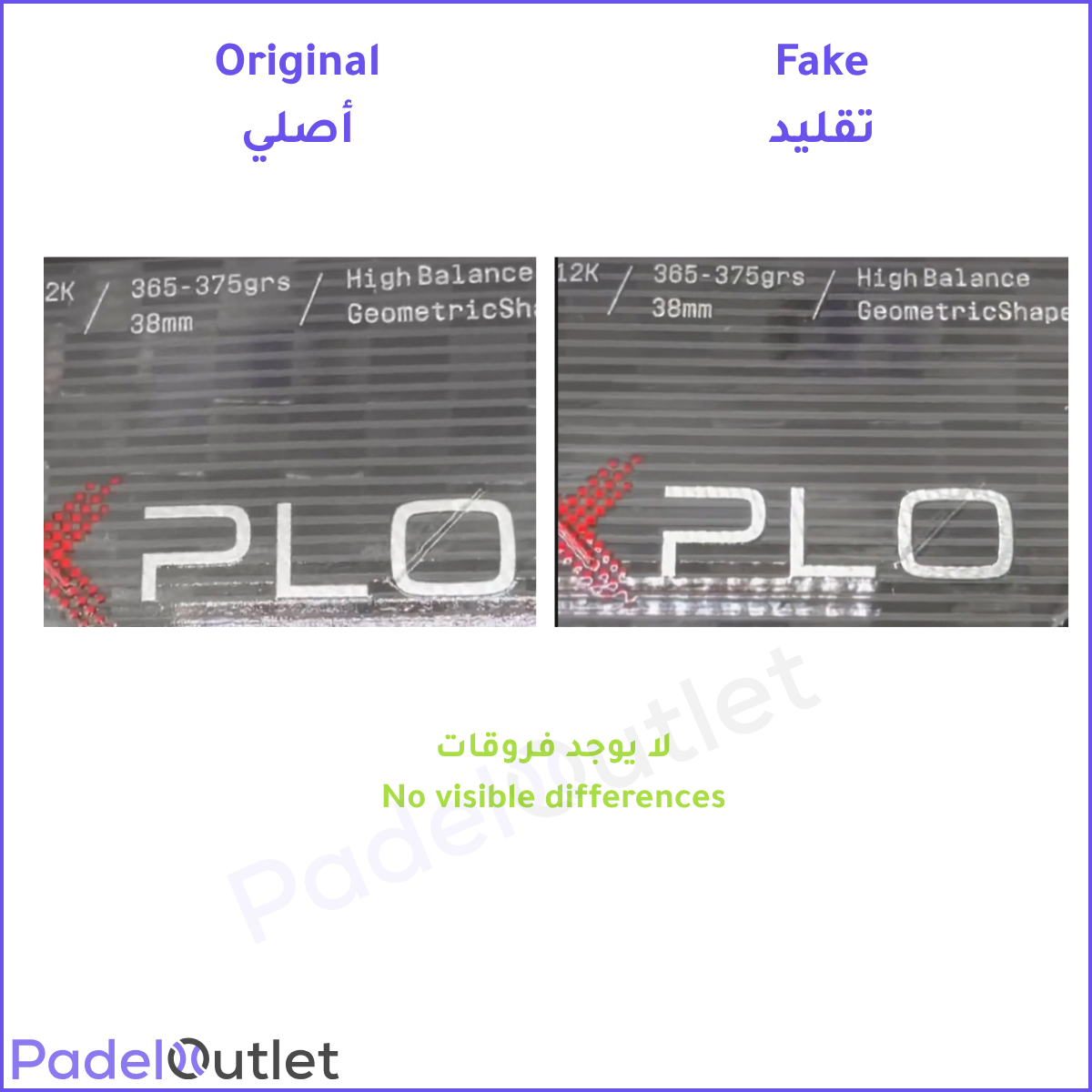
We ordered counterfeit rackets from AliExpress for three brands (NOX, Bullpadel, and Babolat), compared them with the genuine rackets in our stock, then cut all the fakes open to see the difference from the inside.
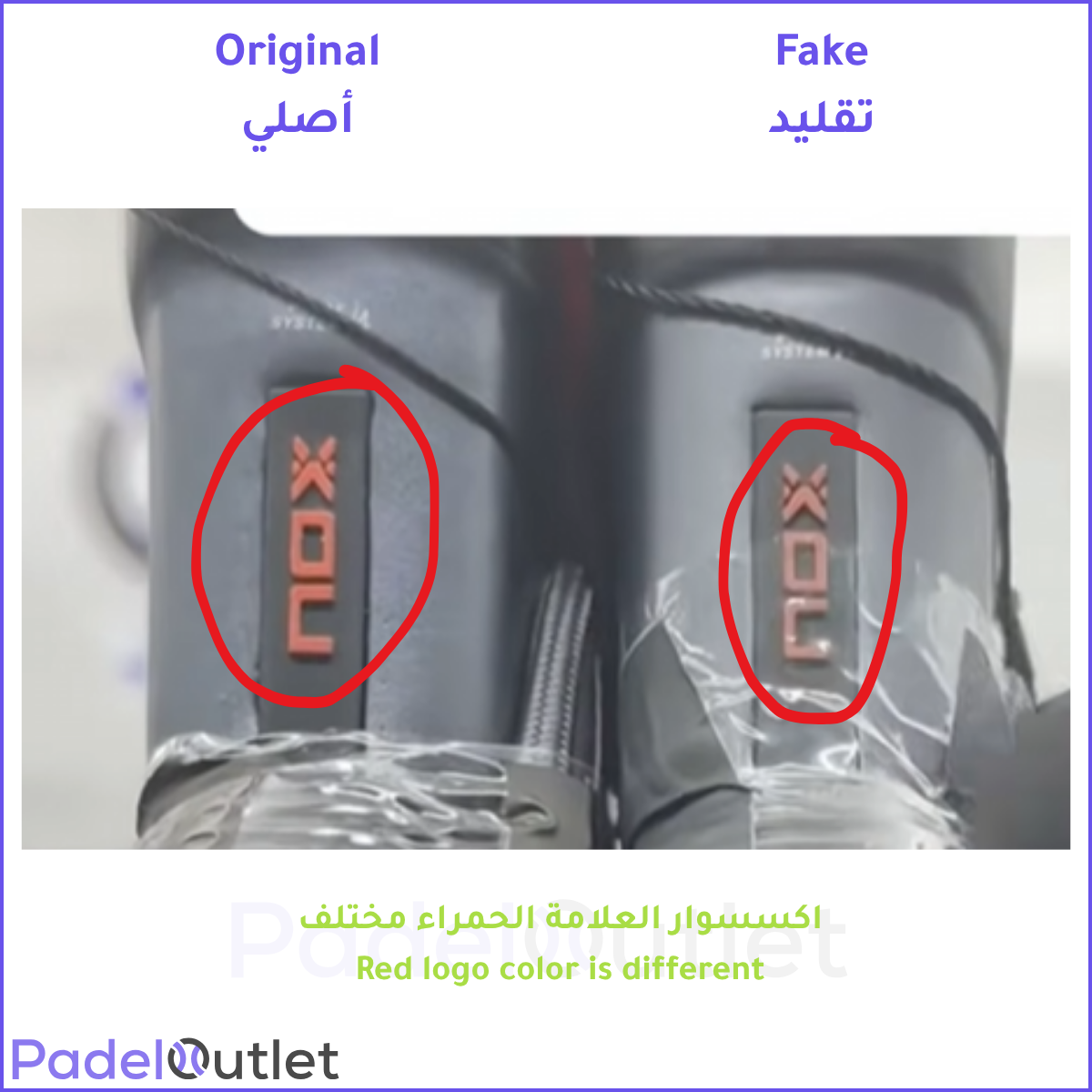
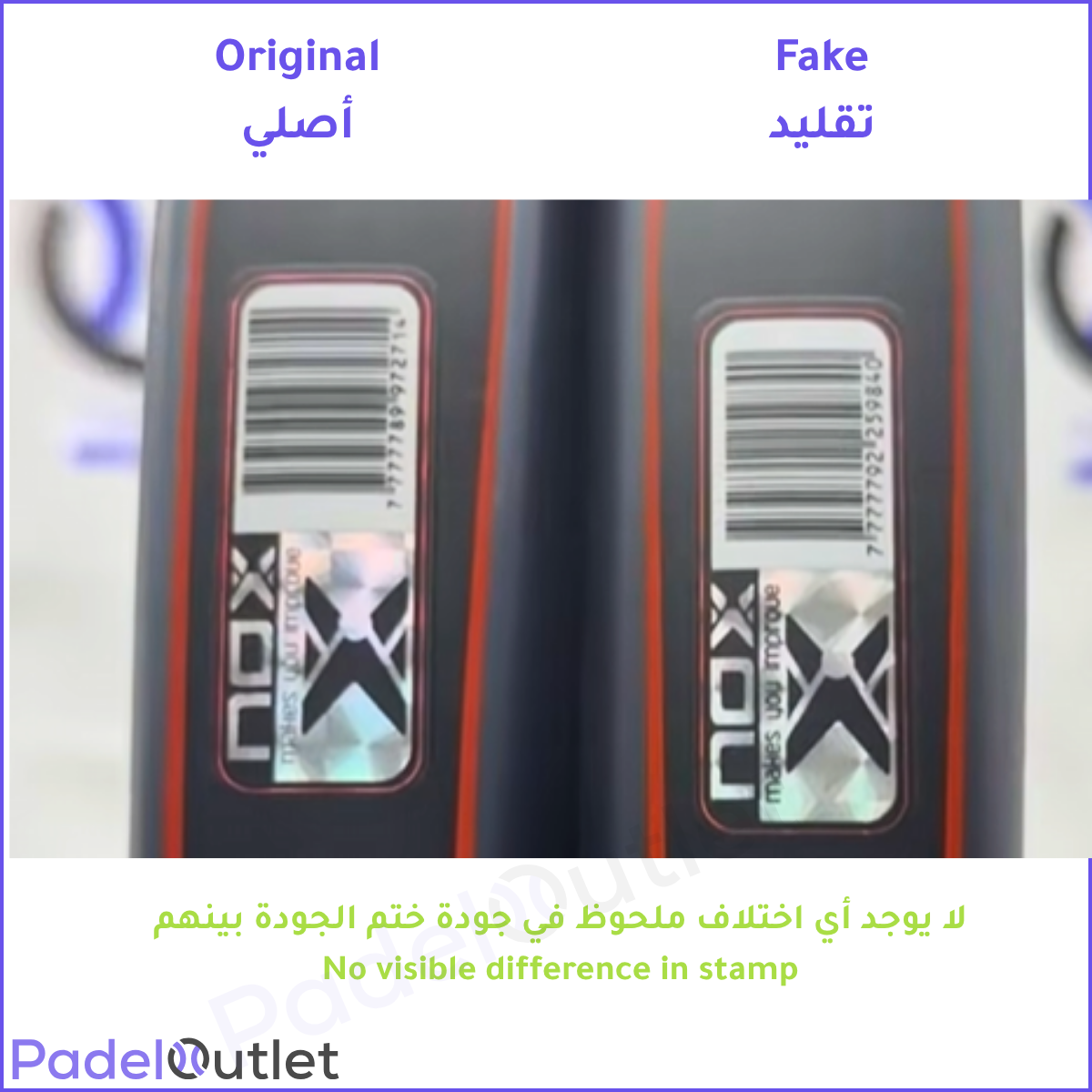
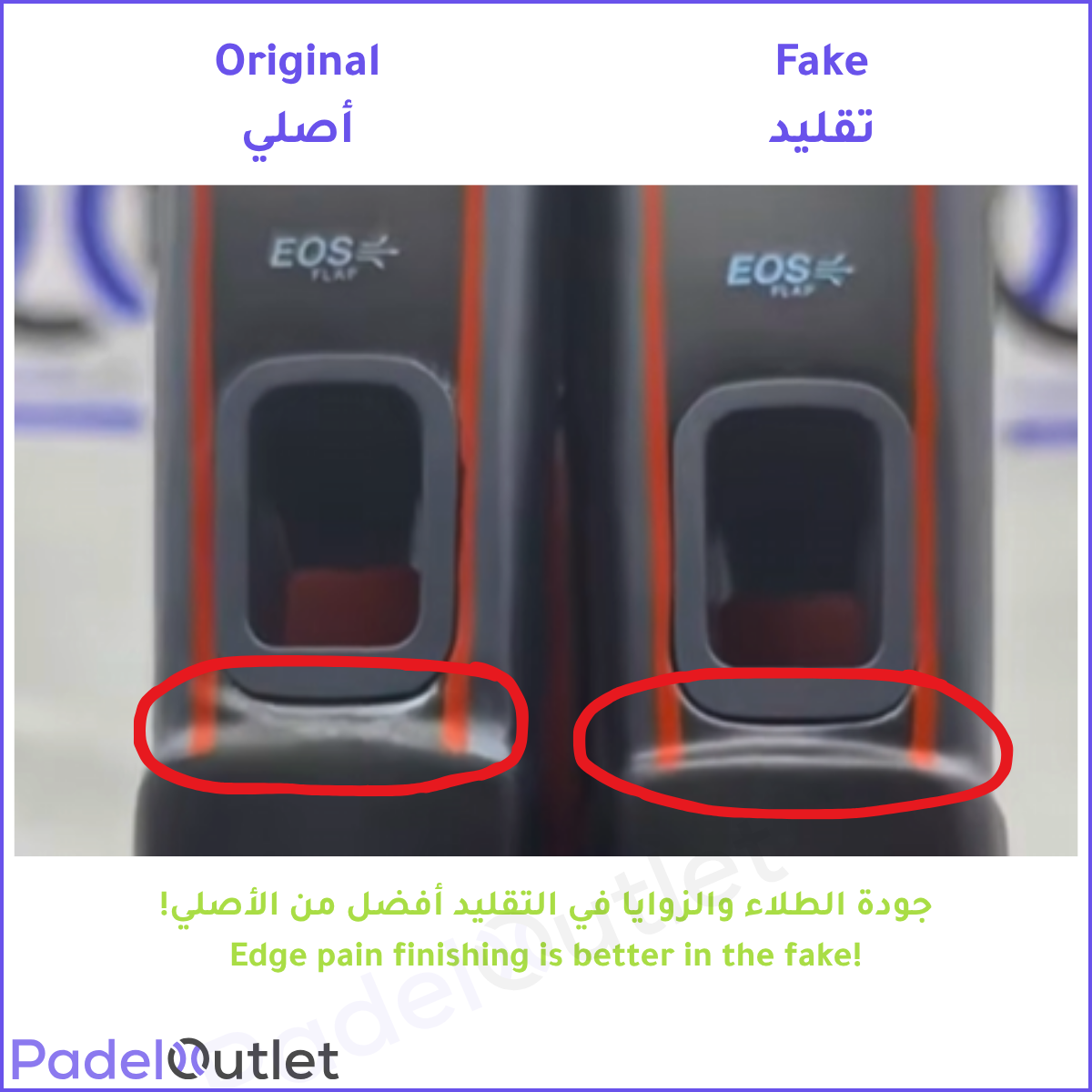
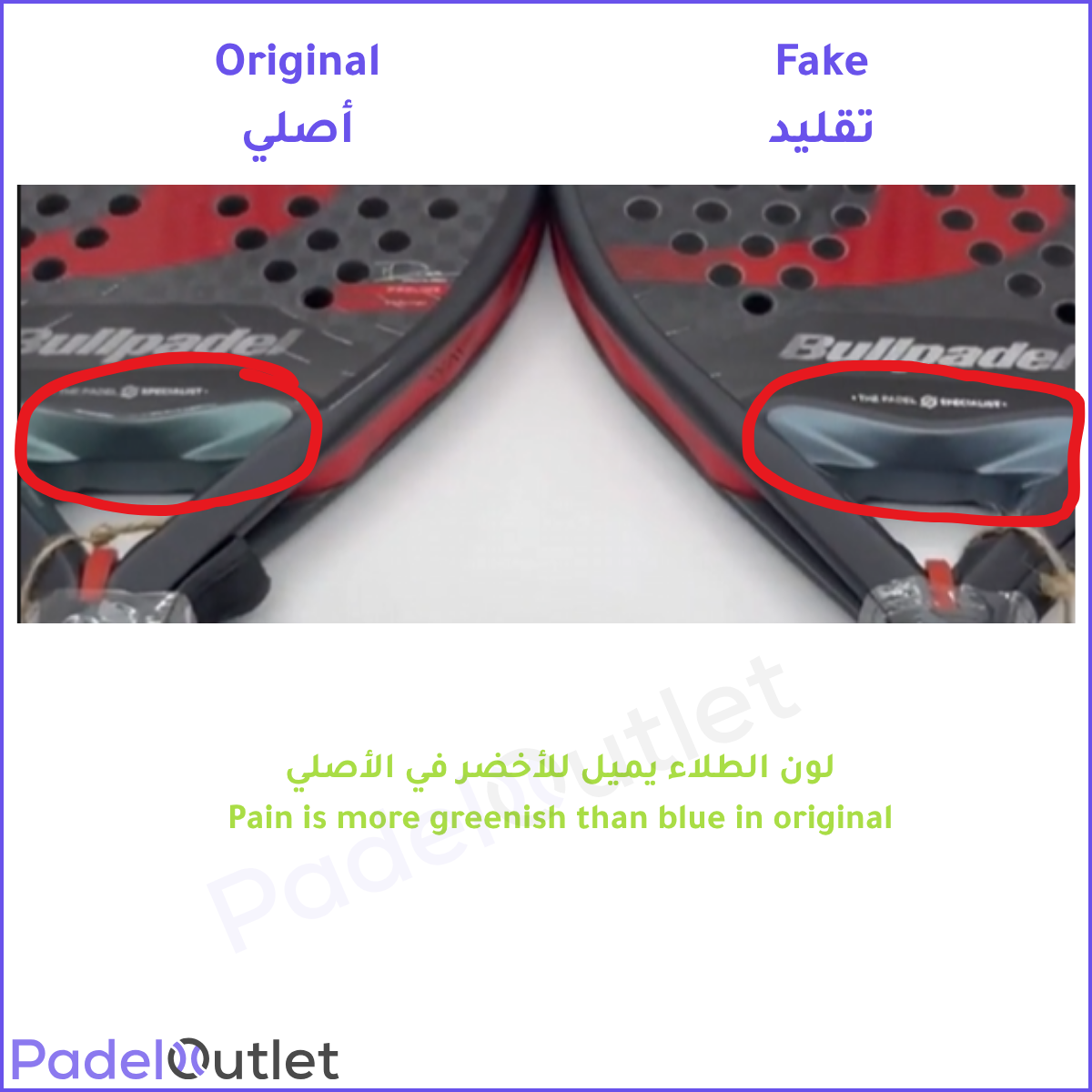
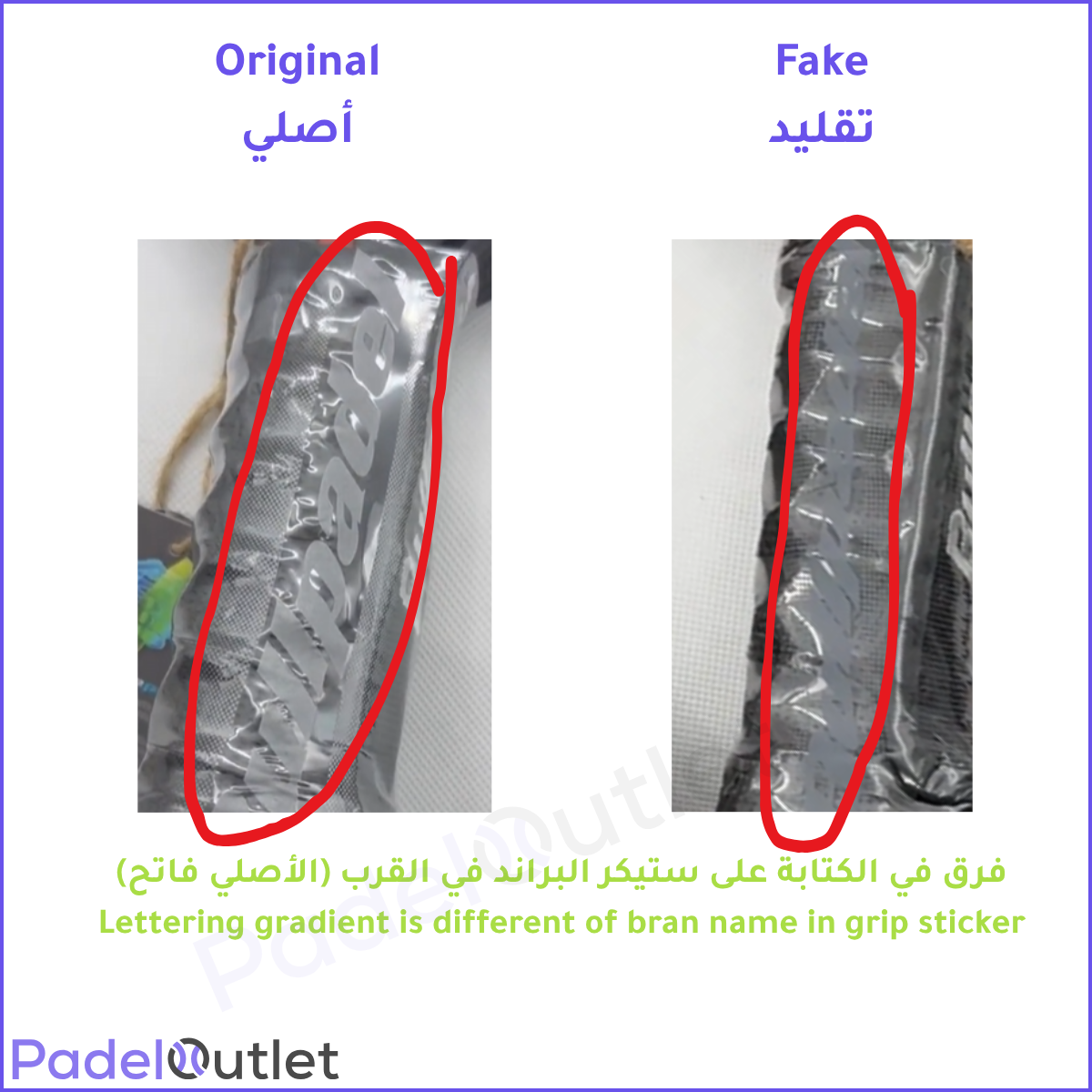
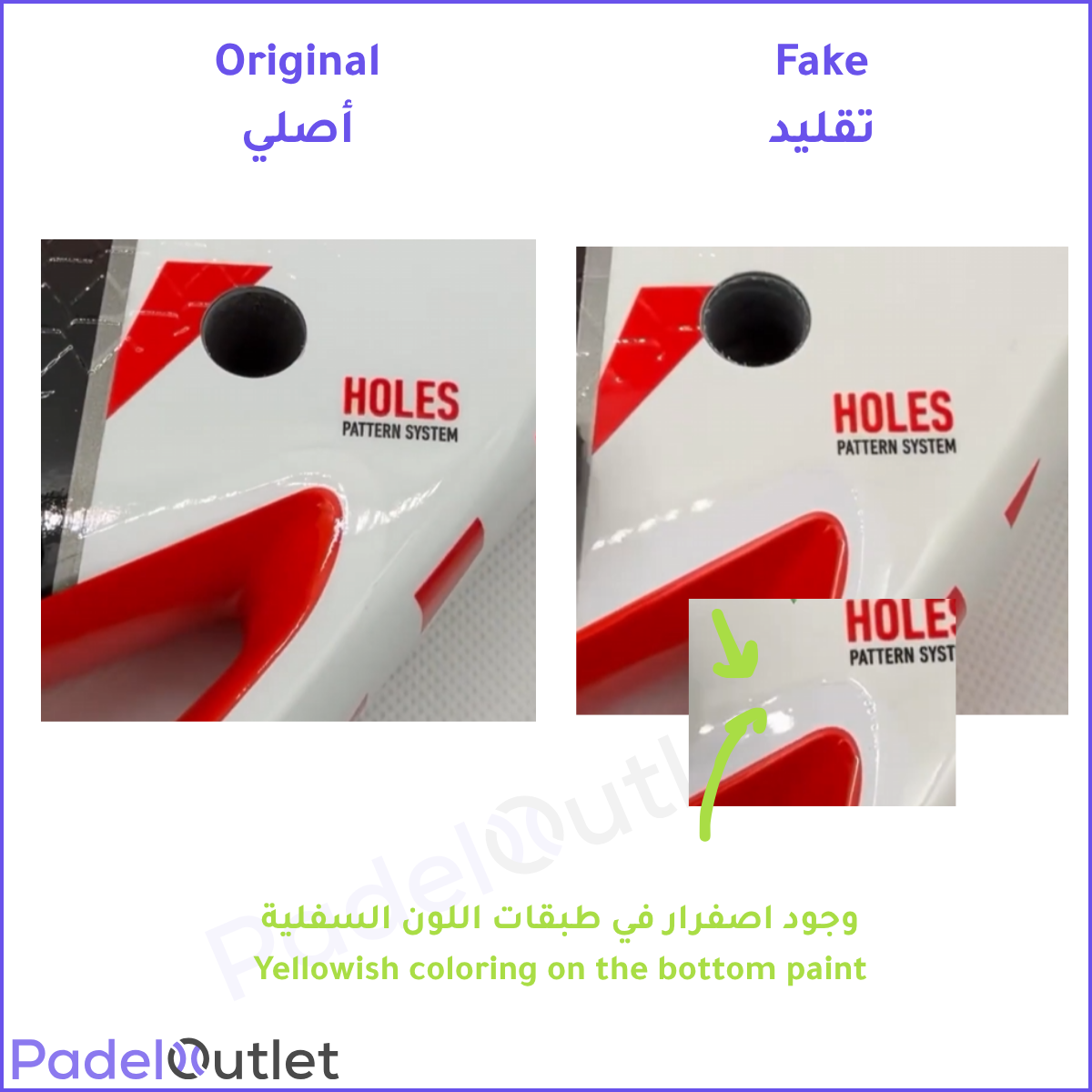
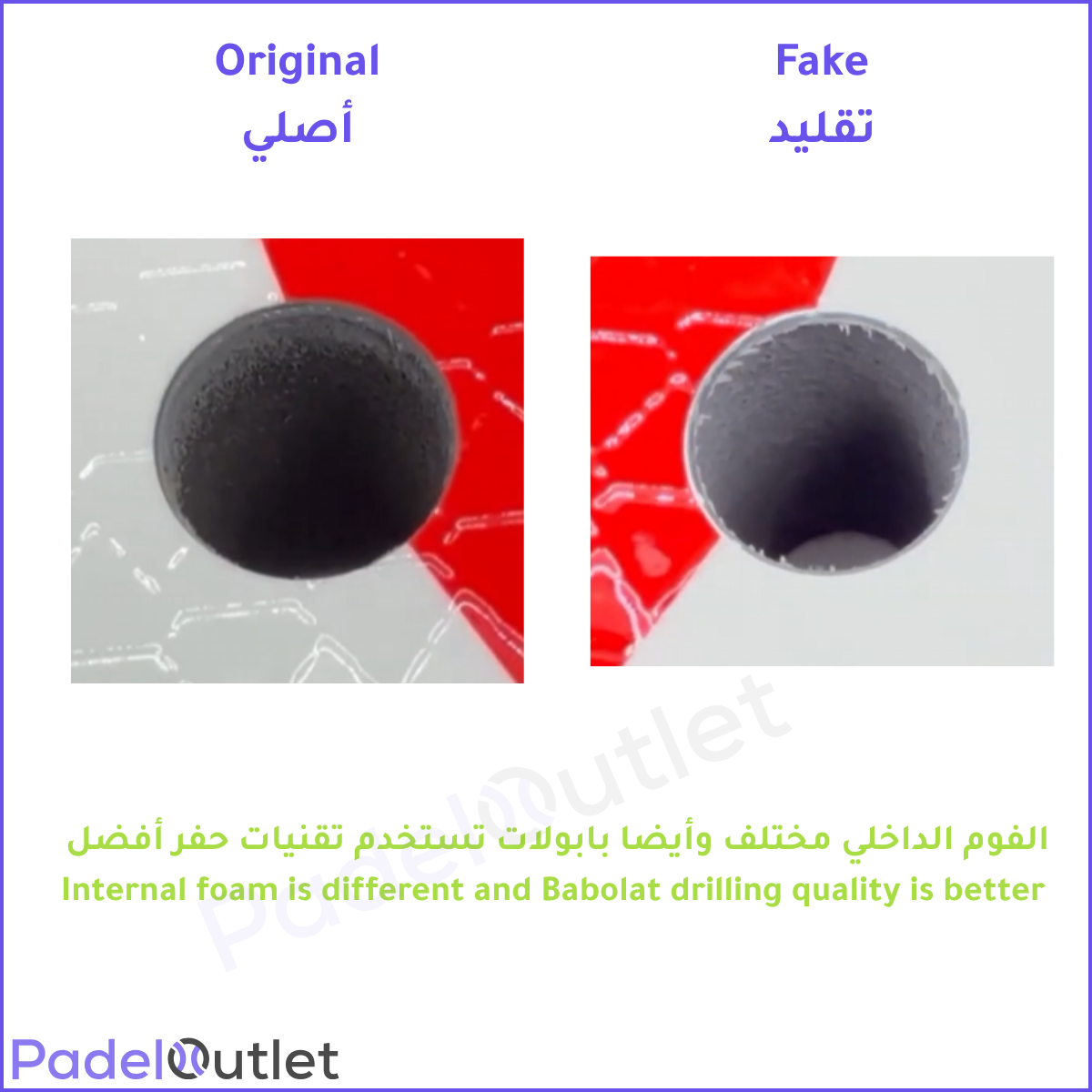
The result: the external differences are sometimes subtle, but the real difference is in the internal foam (EVA). The foam in the fakes was completely different in density, type, and consistency, and that is exactly what determines a racket’s performance and lifespan. The outer carbon layer and frame also showed clear differences.
NOX
Bullpadel
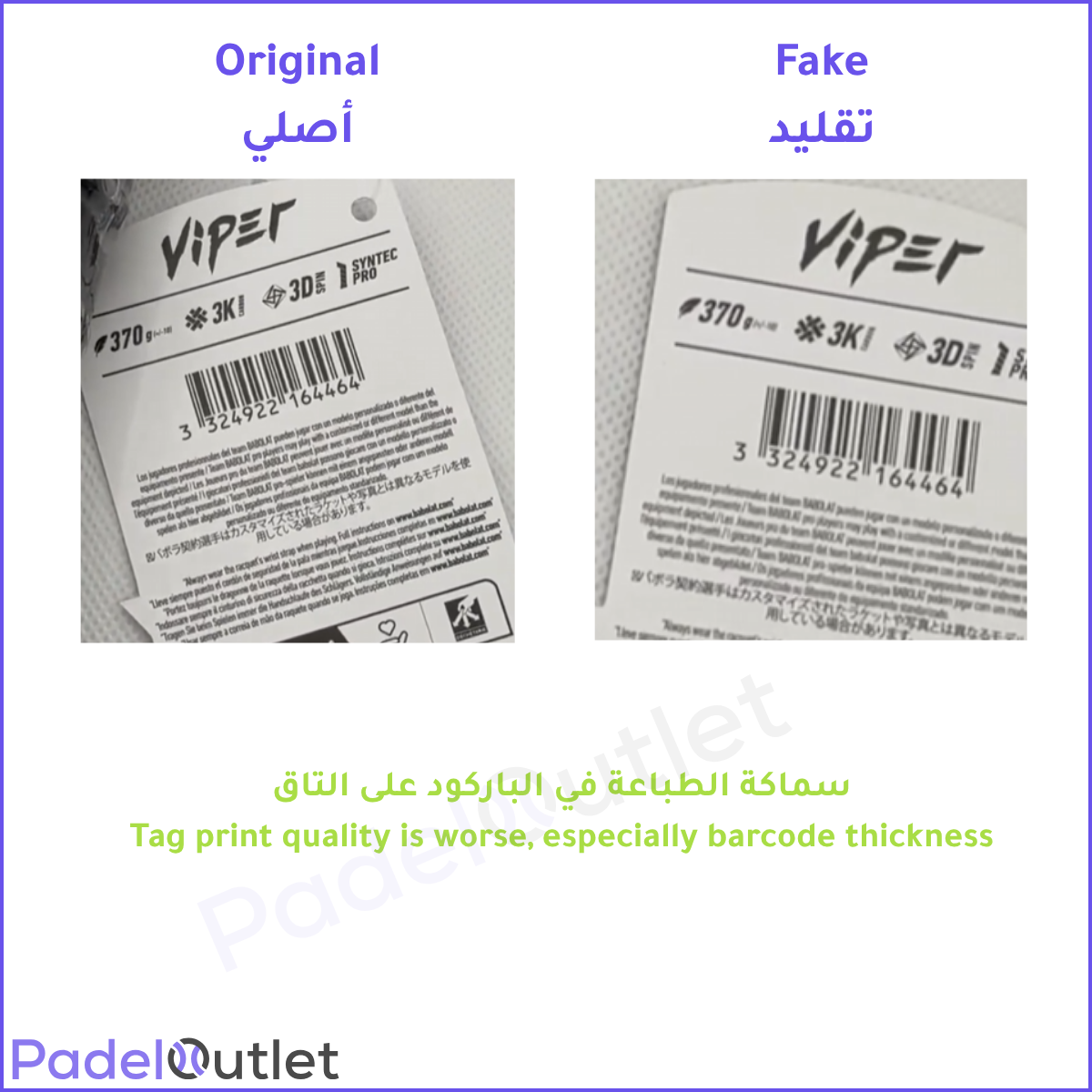
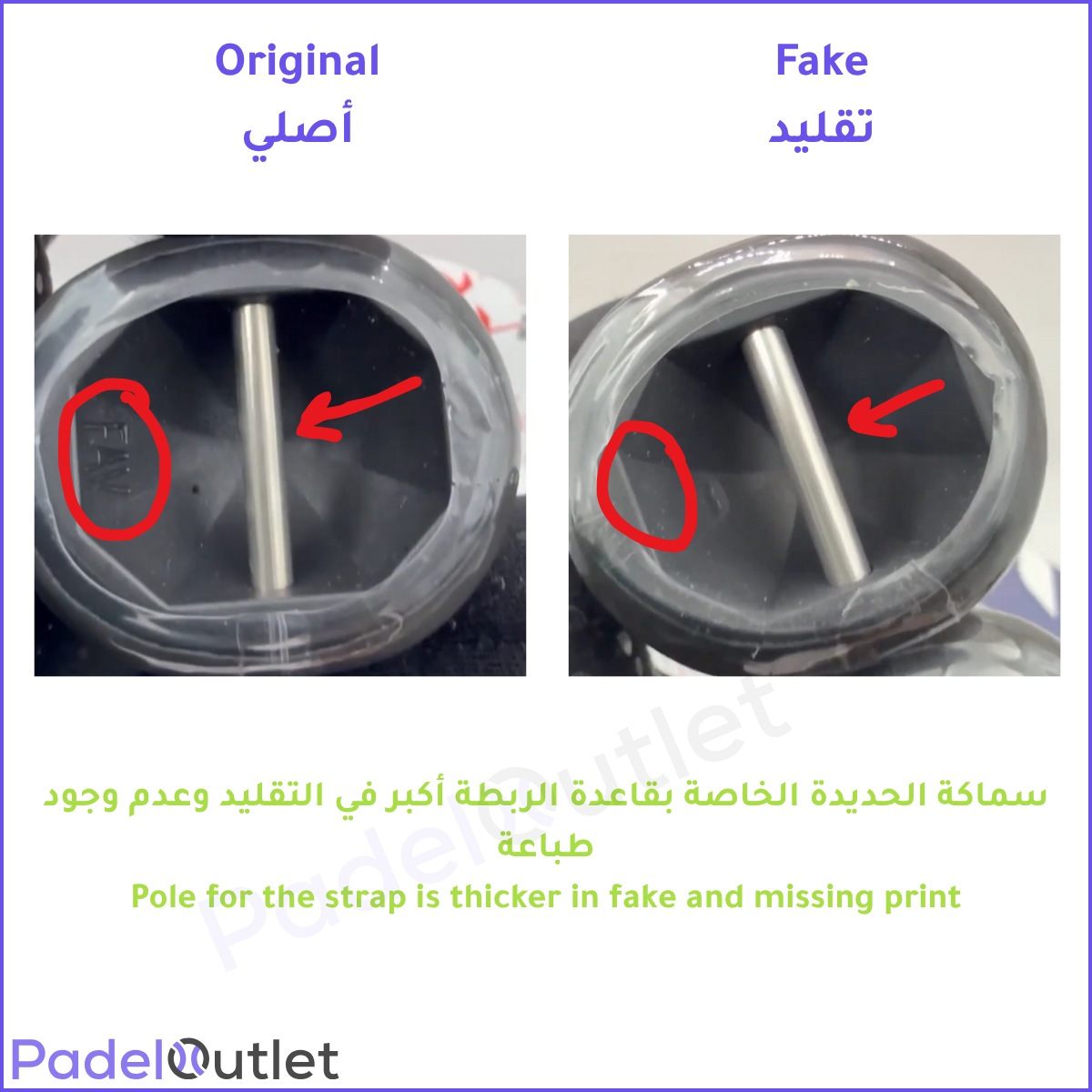
Babolat
Ways to spot a fake padel racket
1. Where you buy it (the most important)
No test replaces the source. A trusted store that deals directly with the brands is your real guarantee.
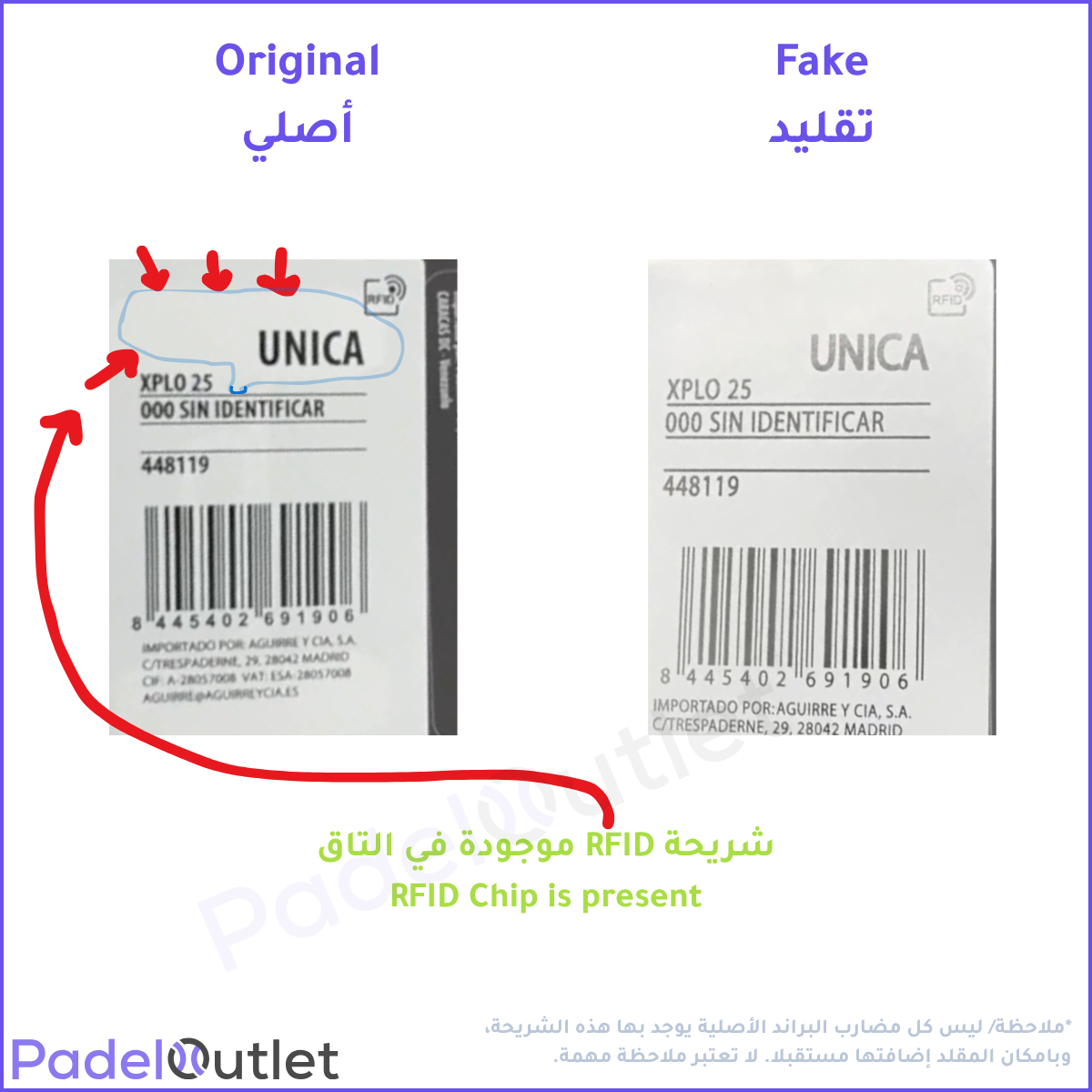
2. The serial number
A genuine racket carries a serial number that links it to the brand. Be careful: counterfeiters add serial numbers too, but they are random and cannot be verified. To be fair, most brands currently do not offer a direct verification service for customers, so the serial number alone is not enough.
3. The price
A racket with an official price of 1,500 being sold new for 400 SAR? That is almost certainly a fake. Real discounts have limits.
4. Weight and balance
A genuine racket falls within the weight range published by the brand. Fakes are often noticeably lighter or heavier, with a different balance point.
5. Finish and print quality
Logos on fakes are often faded or imprecise at the edges, the paint chips quickly, and the frame protector (bumper) is poor quality.
6. Sound and feel
Different foam produces a different sound on impact, and a “dead” or “wooden” feel instead of the responsiveness the original model is known for.
7. Performance
A fake racket will never perform like the original, no matter how identical it looks. Less power, less control, and it cracks or loses its characteristics quickly.
Important: don’t confuse fakes with natural manufacturing marks
Padel rackets are handmade, so small marks such as slight variations in paint or weight are normal. These are not a sign of a fake, nor a defect. We explained this in detail in a separate post:
Natural manufacturing marks in padel rackets: normal vs defect
Summary
- Fake padel rackets exist and are widespread, and hard to spot by eye.
- The most important difference is the internal foam, which you cannot see before buying.
- Serial number, price, and weight are helpful indicators, but not a guarantee.
- The only guarantee: buy from a trusted store that deals directly with the brands.
At Padel Outlet, we have direct agreements with the brands and their official distributors, and every racket you receive is 100% genuine.